How Sea Mist Accelerates Galvanised Metal Degradation
Properties across Ballina, East Ballina, and Lennox Head enjoy iconic coastal views, but the proximity to the Pacific Ocean introduces a harsh environmental reality: airborne sea mist. While galvanised steel remains a staple building material for roofing, fencing, structural posts, and boat trailers, it faces unique degradation challenges in subtropical maritime climates. Understanding how aerosolized saltwater interacts with protective zinc coatings is critical for maintaining structural durability and protecting investments in the Northern Rivers region.
The Protective Nature of Galvanised Steel
Galvanising protects steel through a metallurgical process where base carbon steel is immersed in molten zinc. This process creates a metallurgical bond with multiple zinc-iron alloy layers topped by pure zinc. Zinc offers dual-phase protection: an impermeable physical barrier against moisture and oxygen, and galvanic (cathodic) protection. If the surface becomes scratched or compromised, the zinc sacrifices itself electrochemically to protect the underlying steel.
In standard inland environments, zinc reacts with atmospheric oxygen, water vapour, and carbon dioxide to form an insoluble, protective layer known as zinc hydroxycarbonate. This dense, stable patina shields the zinc beneath, slowing the overall corrosion rate to negligible levels over decades.
How Sea Mist Compromises Zinc Coatings
Sea mist differs fundamentally from standard rain or freshwater dew. Created by crashing surf along beaches such as Shelly Beach and Lighthouse Beach, onshore winds carry microscopic droplets of seawater kilometres inland. These droplets are dense with dissolved salts, predominantly sodium chloride.
When sea mist settles on galvanised metal in Ballina, it triggers a destructive chemical cycle:

- Disruption of the Protective Patina: Chloride ions in the sea mist penetrate the zinc hydroxycarbonate film, reacting to form zinc chloride and zinc hydroxychloride. Unlike the stable patina, these zinc salts are highly soluble in water.
- Accelerated Washout: Morning dews and coastal rainfall rapidly dissolve and wash away these soluble zinc salts, exposing fresh zinc beneath to continuous chemical attack.
- Electrolyte Formation: Salt residues attract ambient moisture even at relatively low humidity levels (deliquescence). This creates a persistent liquid electrolyte film on the metal surface, dramatically speeding up galvanic reaction rates.
- Formation of "White Rust": In sheltered or unwashed areas, moist salt deposits cause rapid zinc oxidation, presenting as a powdery white substance known as wet storage stain or white rust.
The Impact of Ballina's Local Microclimate
The rate of degradation is not uniform across all structures; local microclimates play a defining role. Ballina features high ambient humidity, elevated summer temperatures, and frequent south-easterly breezes that drive sea salt inland along the Richmond River corridor. Under Australian Standard AS 4312, coastal sectors within a few kilometres of the shoreline are classified as high (C4) to very high (C5) atmospheric corrosivity categories.

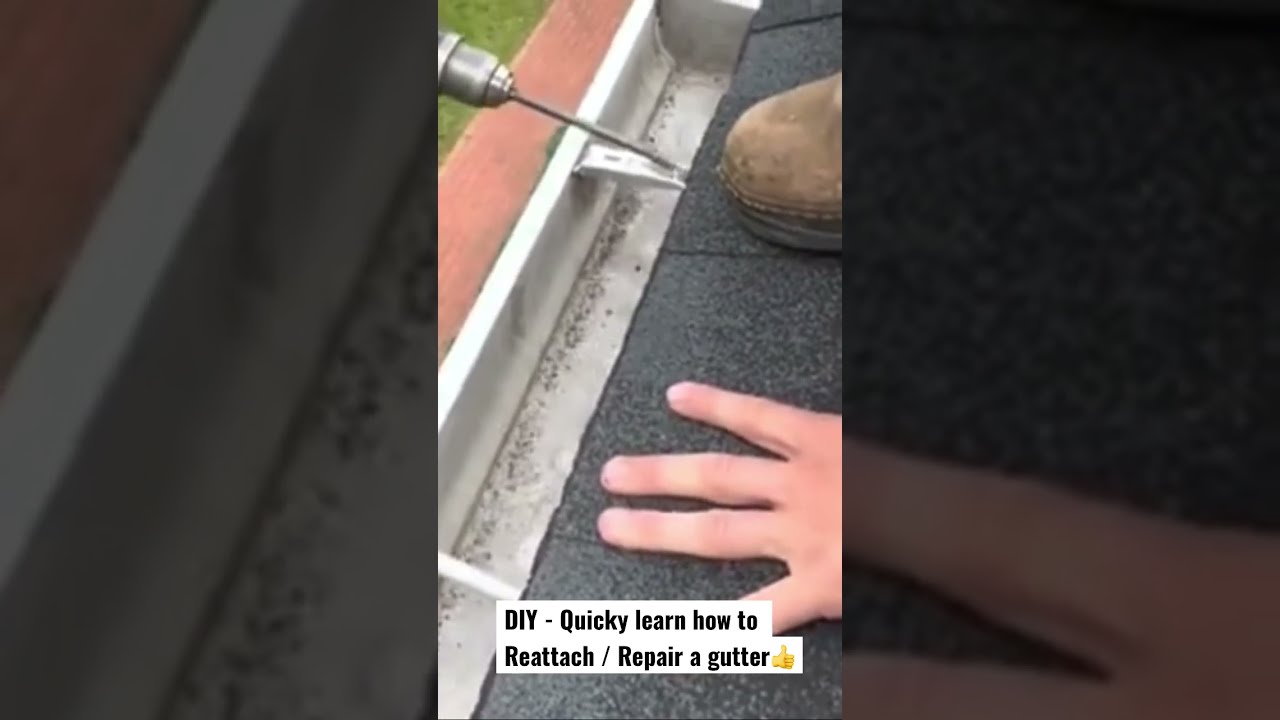
A critical factor in coastal degradation is the presence of unwashed areas. Surfaces exposed to regular rainfall benefit from the natural rinsing away of deposited sea salts. Conversely, structural components located under eaves, beneath decks, inside garage carports, or within subfloors collect sea mist without receiving natural rainwater washing. In these sheltered zones, salt concentrates over time, causing the zinc coating to deplete up to ten times faster than in fully exposed, rain-washed locations.
Preventative Strategies for Coastal Metalwork
Relying solely on standard hot-dip galvanising is rarely sufficient within coastal zones. To achieve standard service lifespans under current 2026 building and asset maintenance practices, proactive measures must be implemented to counteract marine aerosols.
- Regular Freshwater Washing: Routinely hosing down sheltered galvanised surfaces with clean freshwater prevents the accumulation of hygroscopic salt crusts. Performing this maintenance quarterly substantially extends the lifespan of the zinc layer.
- Application of Duplex Systems: Applying a protective barrier paint or specialized epoxy powder coat over hot-dip galvanised steel seals the zinc from direct chloride contact. The paint protects the zinc, while the zinc prevents underfilm corrosion creep if the paint is scratched.
- Specification Upgrades: For new construction projects in Ballina, specifying heavier coating thicknesses conforming to AS/NZS 4680 or switching to marine-grade 316 stainless steel for critical fasteners eliminates premature failure risks.
- Sacrificial Anode Maintenance: Marine structures and submerged or splash-zone metalwork require dedicated sacrificial anodes (such as aluminium or specialised zinc alloys) that are regularly inspected and replaced.
While galvanised steel remains a cost-effective and dependable https://ballinaroofrestoration.com.au/about/ material across the Northern Rivers, mitigating the corrosive nature of sea mist requires targeted design, strategic material specification, and consistent maintenance routines.
Ballina Roof Restoration & Repair